Knowledge Transfer and Urban Development
5. August 2026
The Planning Academy of the Professor Albert Speer Foundation
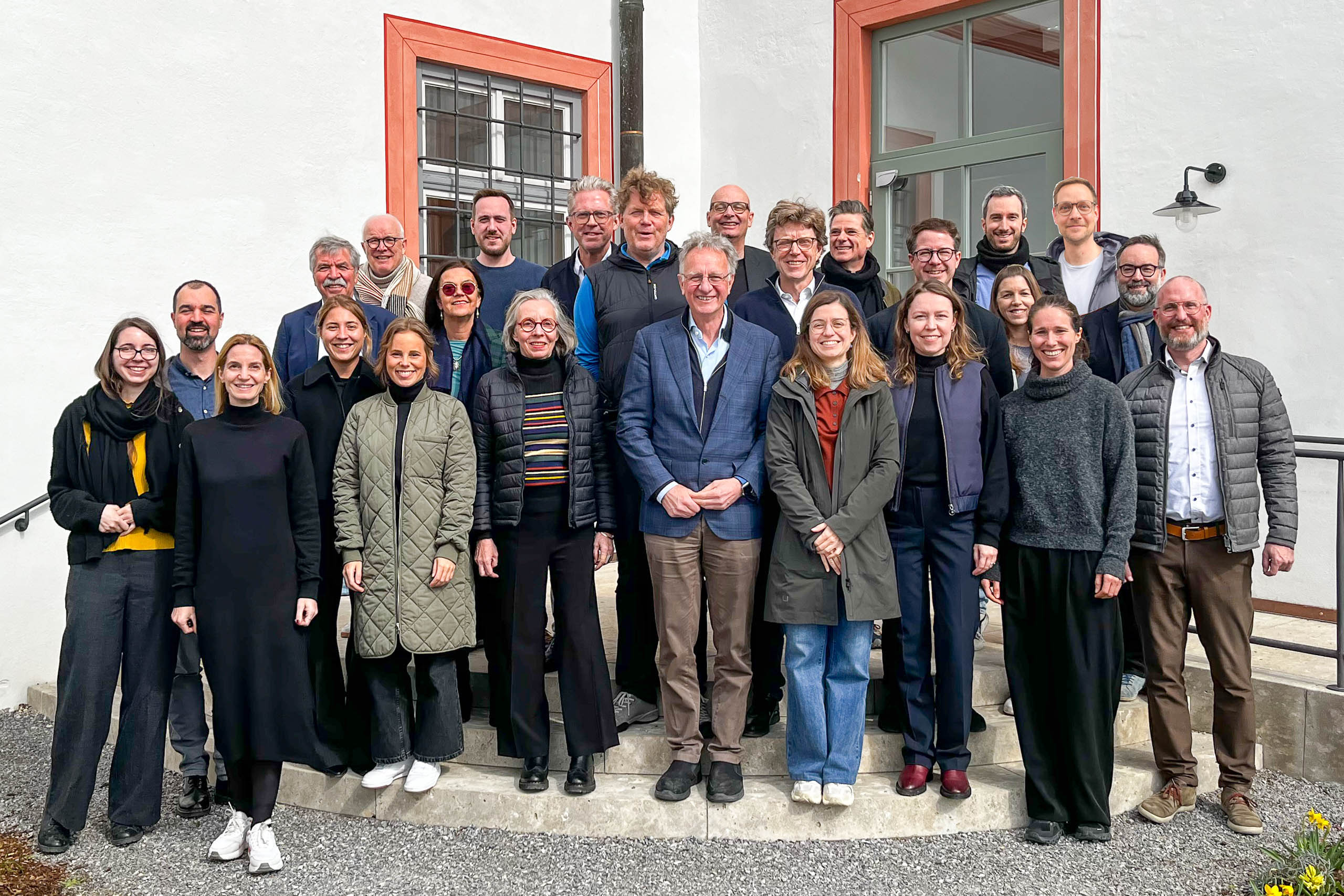
We have now completed a year of intensive professional discourse, reflection on established planning processes, and exchange across disciplinary boundaries. Our colleague Lena Piepmeyer successfully participated in the Planning Academy of the Professor Albert Speer Foundation. The program offers young planners an excellent platform to explore the complex requirements of sustainable and future-oriented urban development outside the context of day-to-day project work. Current challenges in planning practice were analyzed across three workshop phases, with the format’s goal being to bring together diverse perspectives from architecture, urban planning, landscape architecture, and academia. For ASTOC, participation in such programs is a key component of internal knowledge development and actively shaping the professional discourse on the future of our cities.


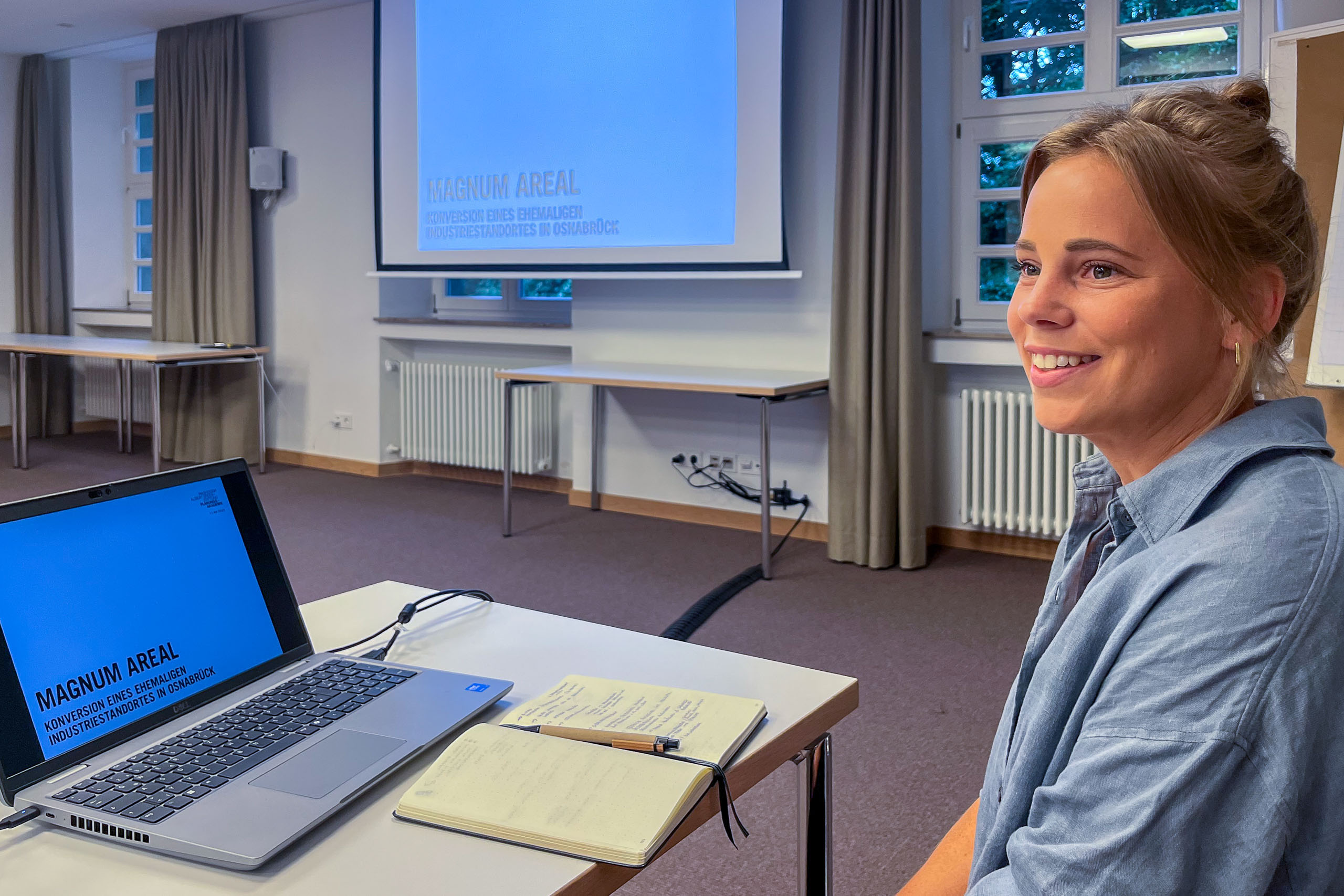
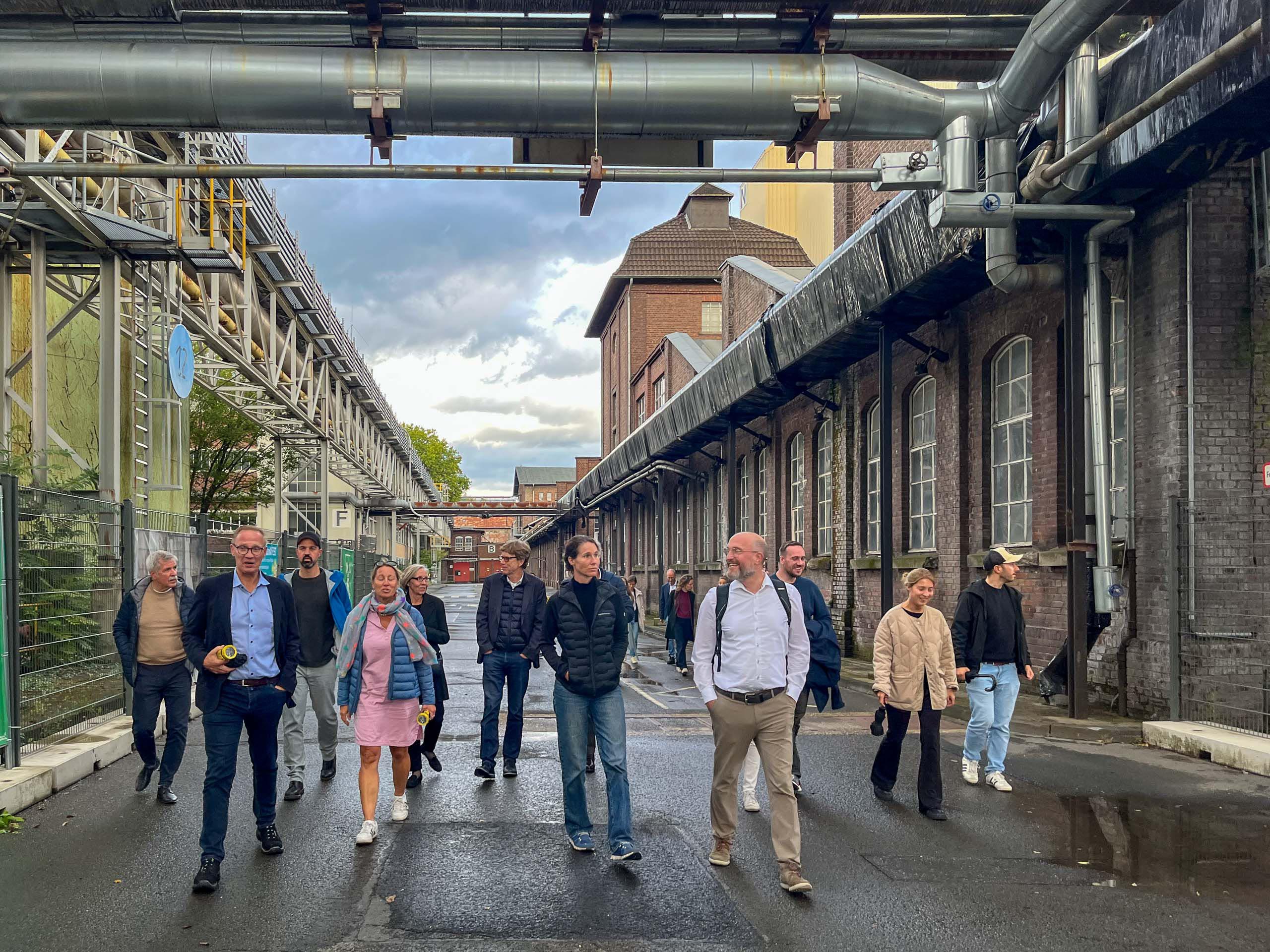
A central component of the academy’s work was the examination of specific real-world case studies. Lena Piepmeyer presented the MAGNUM Areal in Osnabrück, a brownfield redevelopment project that exemplifies the current challenges in neighborhood development. Discussions in the plenary sessions and working groups focused on the points of friction between design concepts, the legal framework, and economic realities. In particular, the discussion centered on the question of what extent of repurposing existing industrial buildings is compatible with an ecologically and urbanistically sustainable neighborhood. At the same time, the workshop examined how the visionary approaches of a competition design can be translated into viable implementation concepts within the often restrictive framework of current planning law, without losing the original quality.
Special attention was also paid to preserving spaces that foster a sense of identity. There was an intensive discussion on how to integrate architectural structures that, while not formally designated as historic landmarks, are nonetheless of central importance to local identity and the authenticity of a place. The results of the Planning Academy illustrate that the quality of future urban neighborhoods depends significantly on openness to interdisciplinary criticism and the courage to explore new approaches to the redevelopment of existing areas. The insights gained will be directly incorporated into the ongoing project development of the MAGNUM site and into our firm’s internal knowledge base. We would like to thank the Professor Albert Speer Foundation, the coaches, and all participants for the inspiring exchange and valuable professional dialogue.
Credits: Professor Albert Speer Foundation