
"A completely stress-free city is not the goal"
31. August 2026
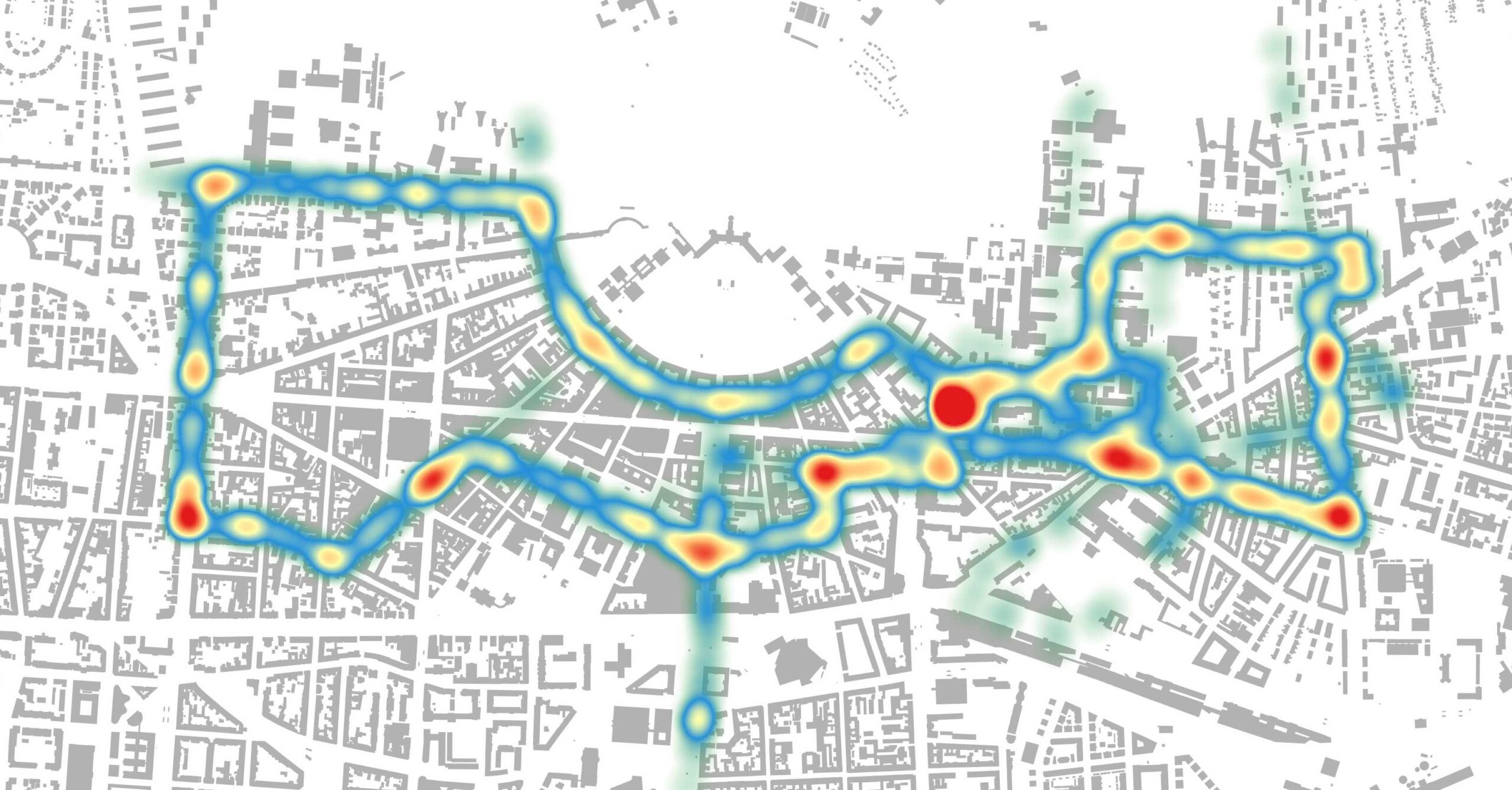
Cities are places of interaction, culture, and commerce-but they are also places of sensory overload. In a recent interview with the Karlsruhe Chamber of Commerce and Industry (IHK) magazine, our colleague and urban planner Dr. Nina Haug-who also conducts research at the Karlsruhe Institute of Technology (KIT)-examines what causes us stress in urban environments.
For us at ASTOC, this research has practical relevance. We don’t just design buildings-we design living spaces. Understanding how traffic, architecture, and even seemingly small details like storefronts or parked bicycles affect our perception of stress is a key aspect of forward-thinking urban planning.
What’s interesting here is that, as Nina Haug puts it, “A completely stress-free city is not the goal.” A city entirely devoid of stimuli would be monotonous and lifeless. Rather, it’s about striking the right balance-creating urban spaces that stimulate without being overwhelming, while also offering necessary places of retreat. Through the close integration of academic research and our daily practice, we can incorporate these insights directly into our designs.
Read the full interview in the IHK Magazine
Credits: (1) Susanne Troll, (2) Urban Neighborhood Planning, Cape Reviso Research Project